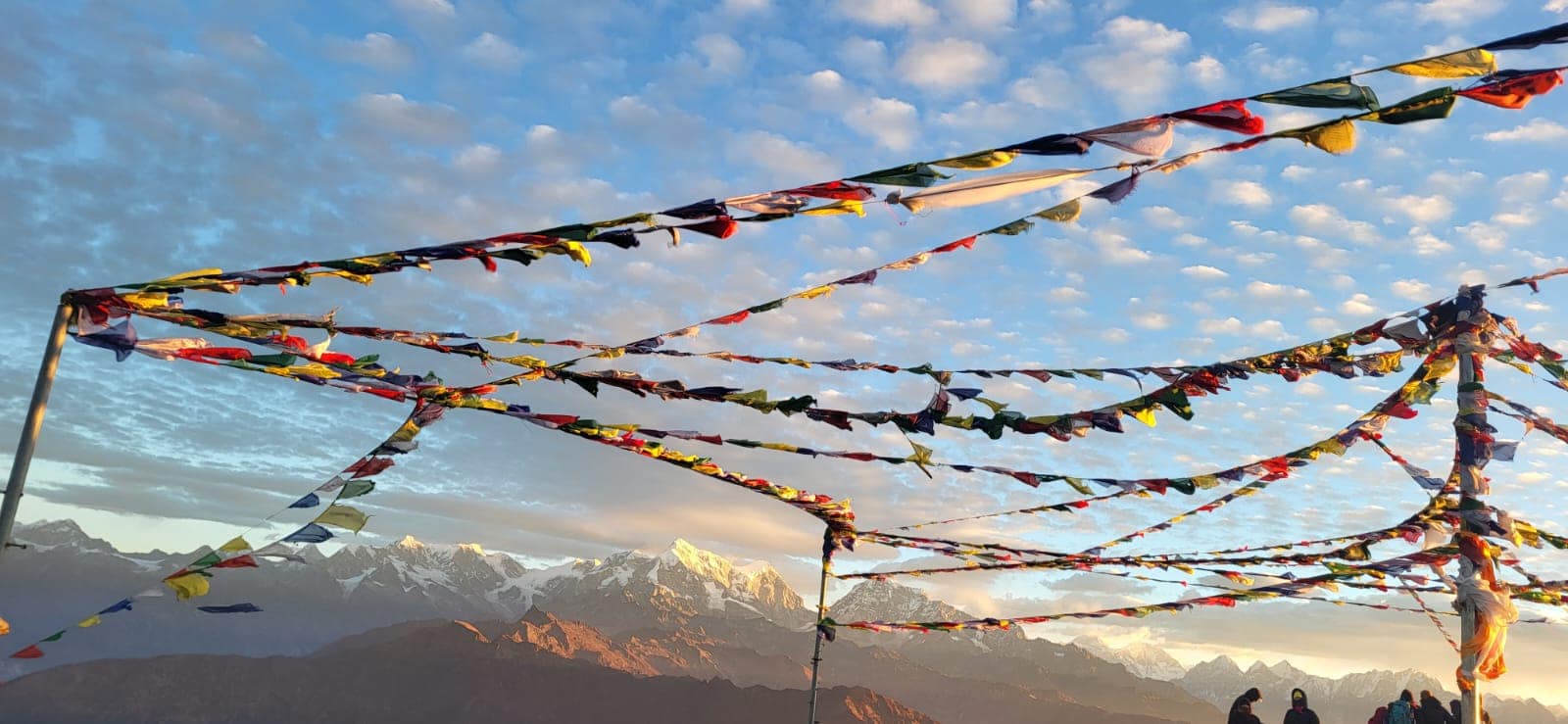
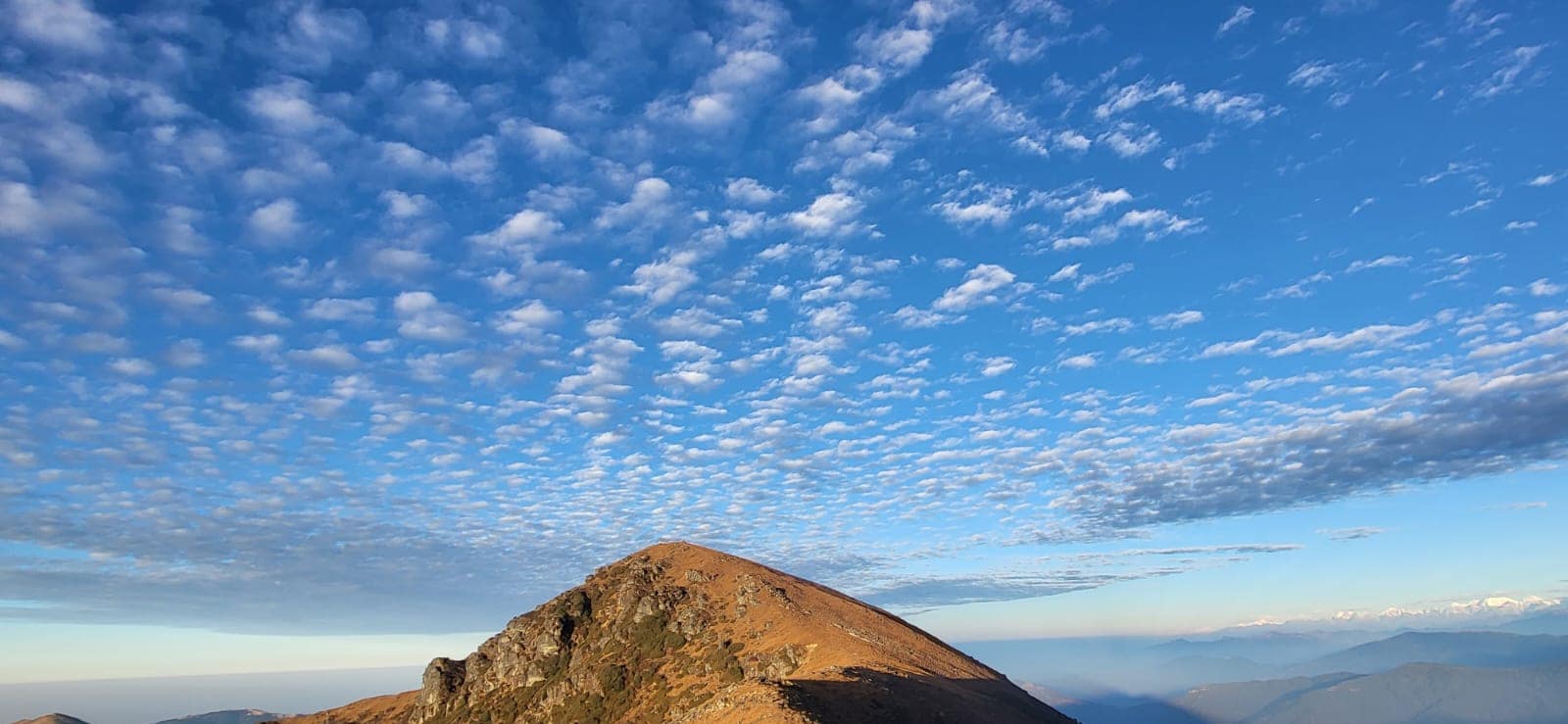



The Pikey Peak Trek is one of the most rewarding short trekking experiences in the lower Solukhumbu Region of Nepal, offering a perfect balance of natural beauty, cultural richness, and breathtaking Himalayan scenery. Rising to an elevation of about 4,065 meters, Pikey Peak is known for its extraordinary panoramic views of some of the world’s highest mountains. The trail winds through peaceful hills, dense rhododendron forests, and small traditional villages, providing trekkers with a quiet and authentic alternative to the busier trekking routes of Nepal such as the famous Everest Base Camp trail. Throughout the journey, trekkers experience the dramatic changes in landscape that characterize the Himalayan mid-hills. Lower sections of the trail pass through terraced farms, pine forests, and grazing pastures where local villagers cultivate crops and raise livestock. In spring, rhododendron forests burst into vibrant red, pink, and white blossoms, transforming the hillsides into colorful natural gardens. As trekkers gain altitude, the forests gradually thin out and open ridgelines reveal magnificent views of the Himalayan range. The highlight of the trek is the sunrise from the summit of Pikey Peak, where the sky slowly lights up above an endless line of snow-covered mountains. From the top, trekkers can witness an impressive panorama that includes towering peaks such as Mount Everest, Makalu, Kanchenjunga, Lhotse, and the elegant pyramid of Ama Dablam. As the first rays of sunlight touch the icy summits, the mountains glow in shades of gold and orange, creating a breathtaking scene that many trekkers consider one of the finest viewpoints in Nepal. The peaceful atmosphere and wide open Himalayan views make Pikey Peak a hidden treasure for nature lovers, photographers, and travelers seeking a deeper connection with the mountains.
Beyond its stunning landscapes, the Pikey Peak Trek is equally meaningful for its rich cultural experience and the warm hospitality of local communities. The region is home to the Sherpa People, who are internationally known for their mountaineering skills as well as their deep-rooted traditions and spiritual lifestyle. Along the trail, trekkers pass through charming Sherpa settlements such as Jhapre and Junbesi, where traditional stone houses, carved wooden windows, and colorful prayer flags create a peaceful Himalayan atmosphere. Buddhism plays a central role in daily life here, and trekkers often encounter prayer wheels, mani walls carved with sacred mantras, and ancient monasteries that reflect the spiritual heritage of the region. One of the most significant religious sites along the route is Thupten Chholing Monastery, a large monastery where monks and nuns practice Tibetan Buddhist traditions and maintain centuries-old rituals. Visiting such places provides travelers with a deeper understanding of local beliefs and the cultural identity of the Himalayan people. Life in these villages moves at a slower pace, centered around farming, animal husbandry, and community cooperation. Many families run small tea houses where trekkers can rest, enjoy homemade meals, and learn about everyday life in the mountains. The genuine friendliness of the local people often becomes one of the most memorable parts of the journey, as conversations around a warm kitchen fire reveal stories about mountain traditions, seasonal festivals, and the history of the Solukhumbu region. Because the trail remains relatively quiet and less commercialized, the Pikey Peak Trek offers an authentic experience where visitors can truly appreciate the harmony between nature, culture, and community life in the Himalayas.